
| Brand |
Tooth Slooth |
|---|

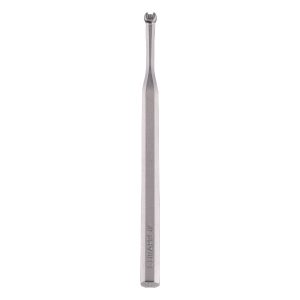
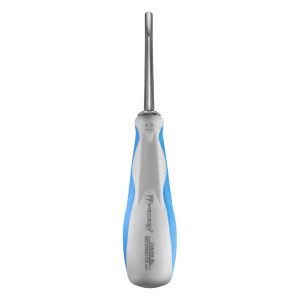
Tooth Slooth II-Crown Seater Blue
> Companion or adjunct to the “original” Tooth Slooth fracture detector
> Smaller instrument for diagnosing fractures of difficult to reach molars or in patients with small mouths
> Helps cement crowns, onlays, inlays and bridges
> Slot holds anterior crowns in place during the cementation process
> Pointed end for use in testing for sensitivity in the fossa area
> Knurled slip resistant surface
> Blue for identification convenience
> Autoclavable
About Cracked Teeth
Tooth fractures are common in every dental practice. Most people associate cracked teeth with an accident or injury to an anterior or front tooth. While this is a common occurrence, most dentists find fractures in the posterior teeth or molars. This type of fracture is most associated with “cracked tooth syndrome”.
Tooth fractures can be caused by many reasons
> Abnormal teeth grinding (bruxism)
> Chewing or biting on hard surfaces (ice, popcorn kernels or hard candy)
> Large fillings (amalgams) or other restorations which weaken tooth structure
> Change in mouth temperatures (drinking hot coffee then a cold beverage)
> An injury to the mouth
Fractured or cracked teeth are difficult to diagnose because they do not necessarily show up on x-rays and may be difficult to see upon examination of the mouth. However, tooth fractures generally have the following signs and symptoms.
> Sensitivity to hot and/or cold food or beverage
> Intermittent pain upon chewing or biting
Brand
Related products